Better Dungeon Design Part 2: Dense Interior
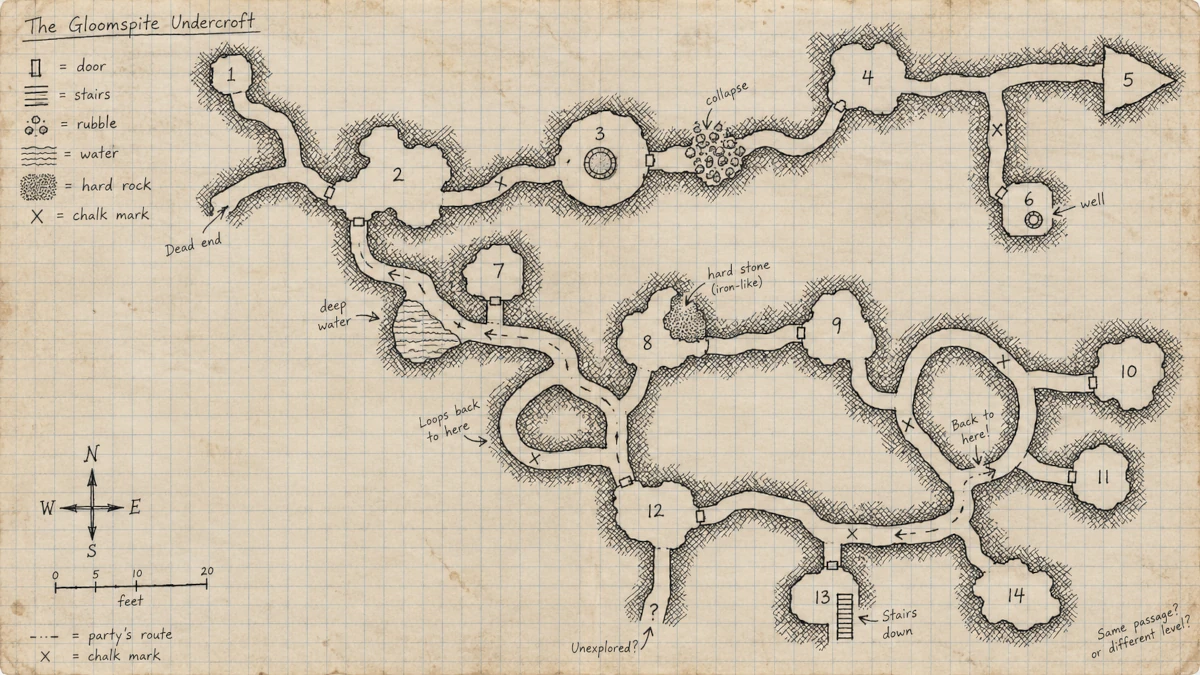
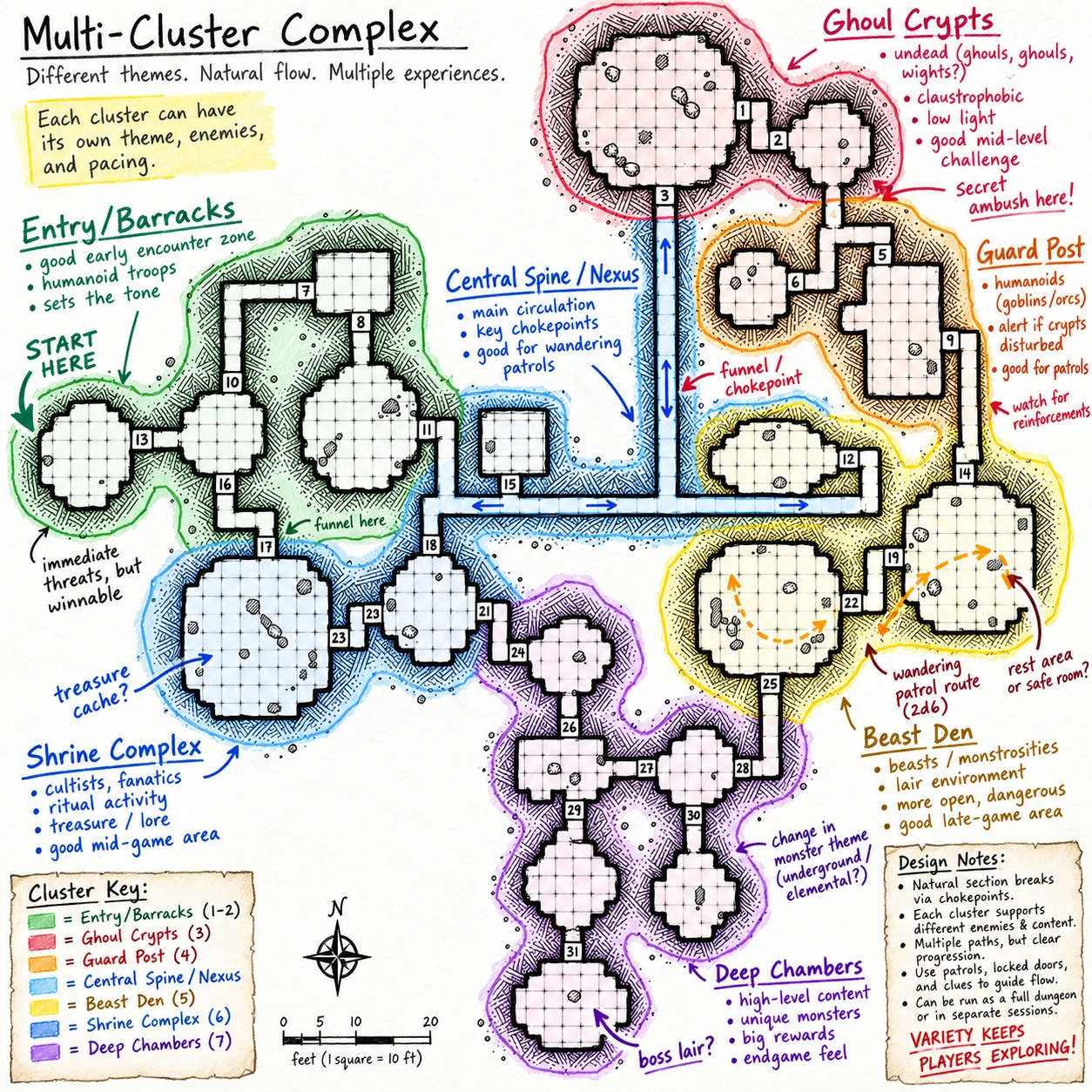
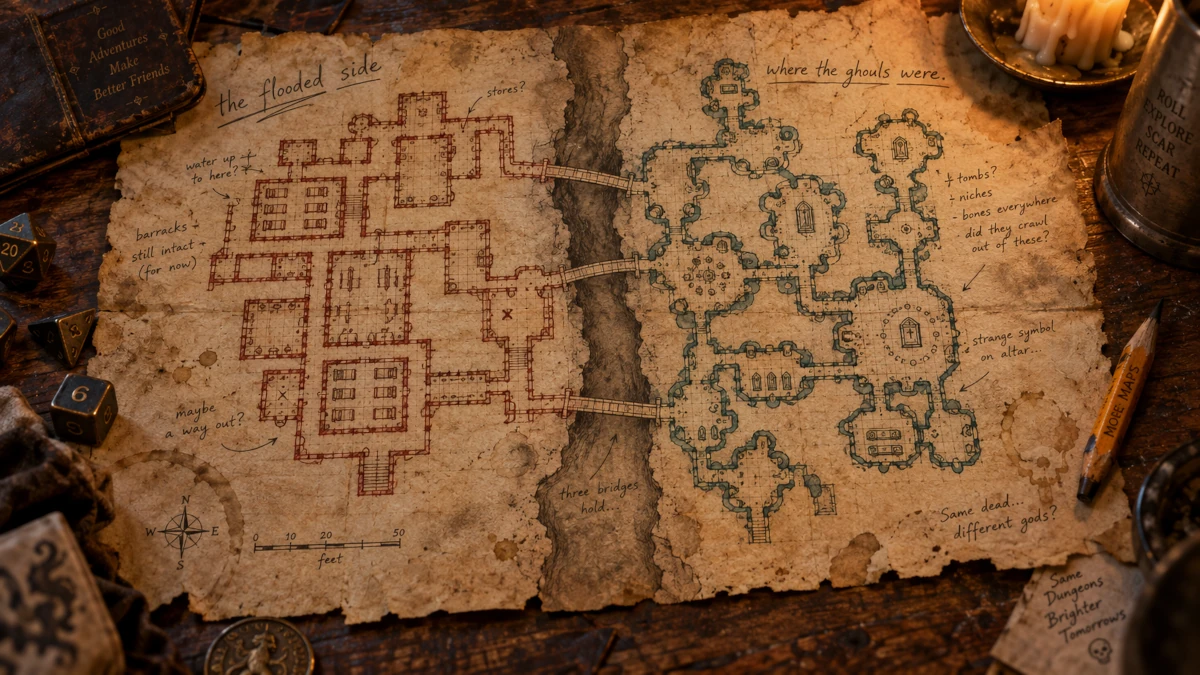
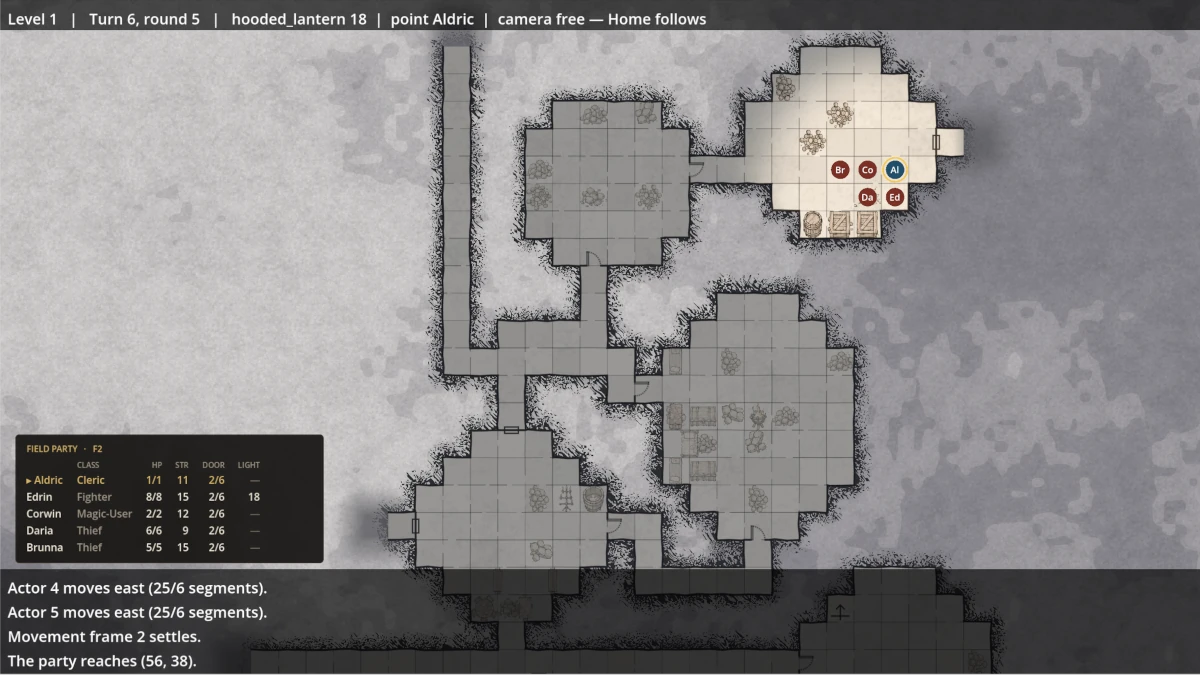
Corridors have been doing your party favors nobody asked for. Take them away and retreat becomes a gamble, noise carries three rooms over, and your torches last forever. Here's when that trade pays.

Corridors have been doing your party favors nobody asked for. Take them away and retreat becomes a gamble, noise carries three rooms over, and your torches last forever. Here's when that trade pays.

How room spacing shapes dungeon pacing, exploration, and player decisions—and why layout should be a deliberate part of adventure design.

Why AI handles the first 80 percent of game development and stalls on engines, concurrency, and the feel of a game that only a human can verify.

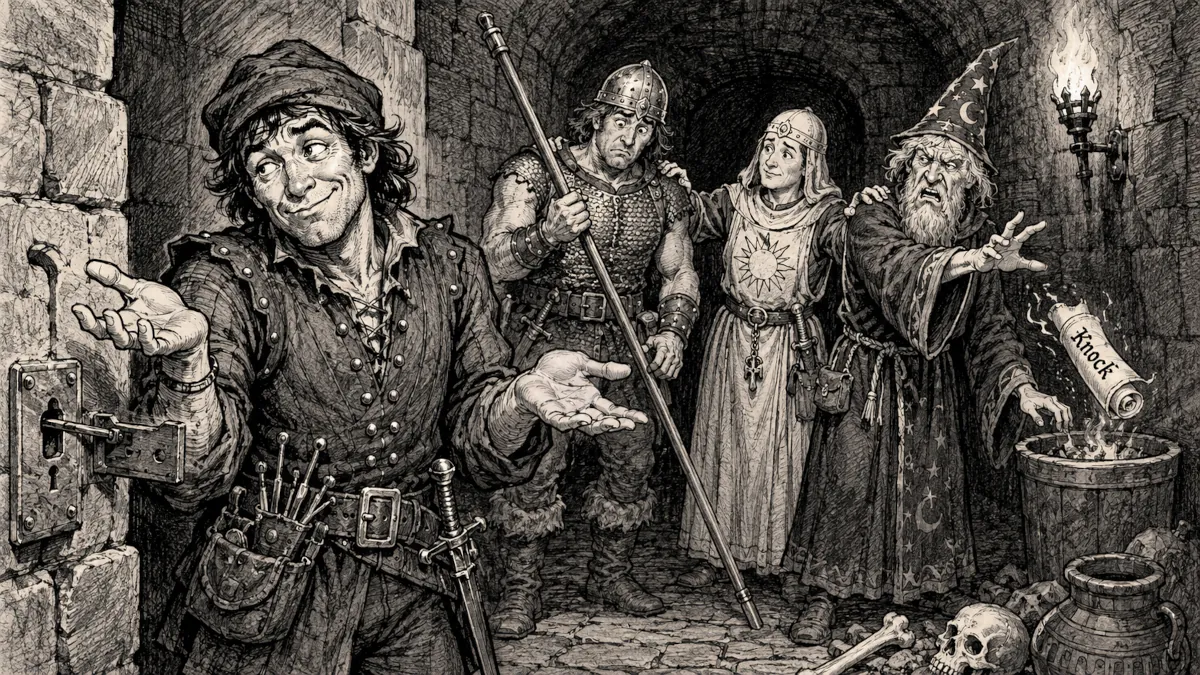
How the BECMI Thief turned shared player ingenuity into one class's dice roll, and quietly traded D&D's player agency for character permissions.

How IBO's Progressive Resolution System turns every skill check into a multi-stage risk decision, from sword fights to lockpicking to crafting legendary gear.

A deep dive into IBO's character system: nine characteristics, d100 skill rolls, backgrounds, apprenticeships, and the Rule of 5.

Lockpicking, ranged combat simplification, grapple redesign, and a dev environment rebuild in the latest Iron, Blood & Omens devlog.

I've always wanted to build a MUD. After 30 years as a software engineer, AI coding tools finally closed the gap between skillset and available time. This is the first dev log for Iron, Blood & Omens, a gritty text-based RPG built on a custom engine and a game system of my own design.

Solo TTRPG play has been part of the hobby since the 1970s, serving as practice space, a creative engine with oracles, and now evolving with AI.

I built an interactive KCD2 alchemy tool to manage recipes and reflect on how modern TTRPG design has diminished meaningful crafting and earned progression.